A smaller building that needs a straightforward system, or a multi-floor site that must pinpoint the device in alarm?
Conventional
Zone-based alarm
DetectorsGrouped into zones
Control panelShows the zone in alarm
Sounders / strobesAlert occupants
Staff check the zoneLocate the device
The panel identifies the zone, not the individual device.
Consider when
Smaller buildings or a small number of zones.
Check the match
The building’s requirements and device compatibility with the panel.
Addressable
Device-level identification
Addressed devicesEach one identifiable
Control panelShows the exact device
Sounders / strobesAs programmed
InterfacesAs specified by the designer
Pinpoints the device in alarm and keeps an event log for review.
Consider when
Multi-floor buildings, factories, hotels and sites with interfaces.
Check the match
Design and review by qualified professionals, and the devices that panel supports.
AI-generated equipment concepts, not photographs of specified models.
Each building’s requirements determine the system; the systems designer reviews before installation.
Fire alarm equipment
Every device must be compatible with the selected control panel.
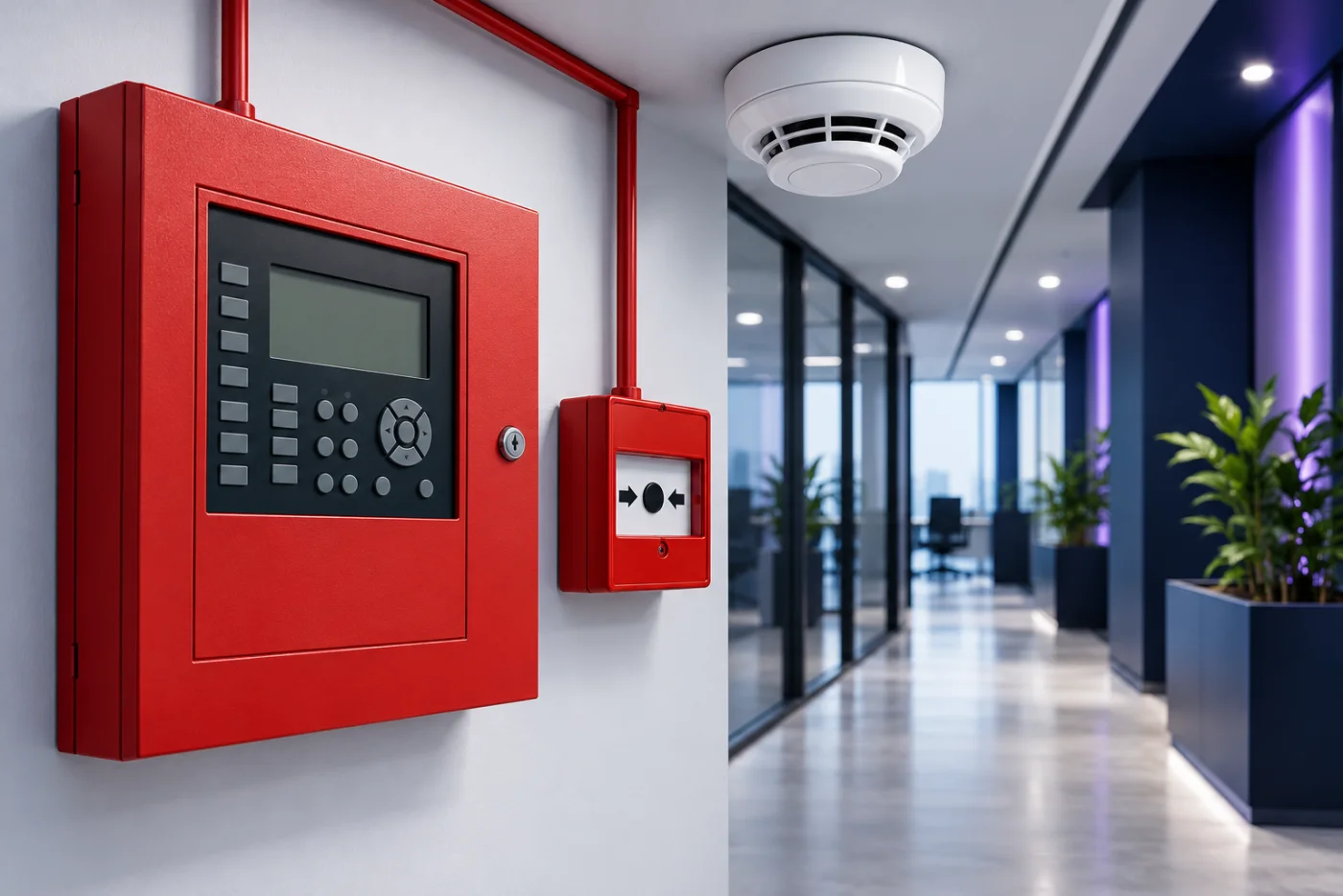
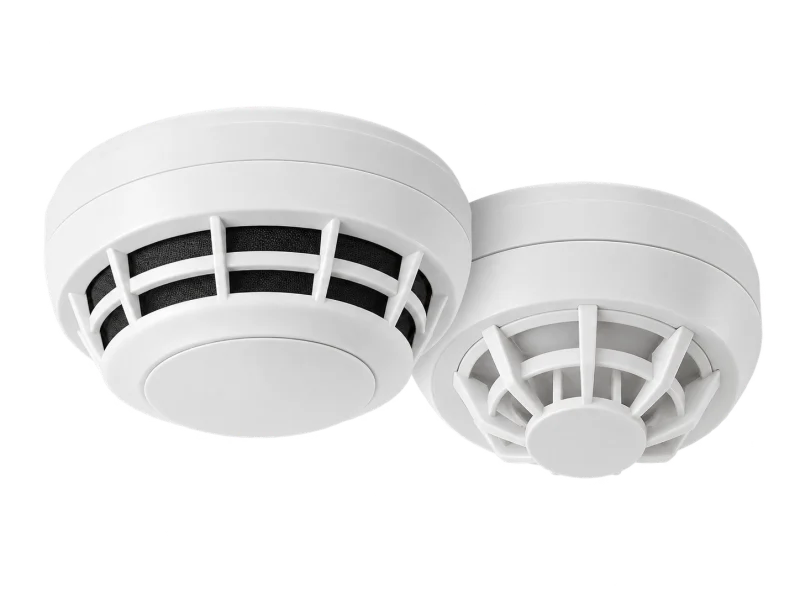
01
AI-generated concept
Detectors
Smoke and heat detectors
Type chosen for the area; kitchens or plant rooms with heat or dust may not suit smoke detection.
02
AI-generated concept
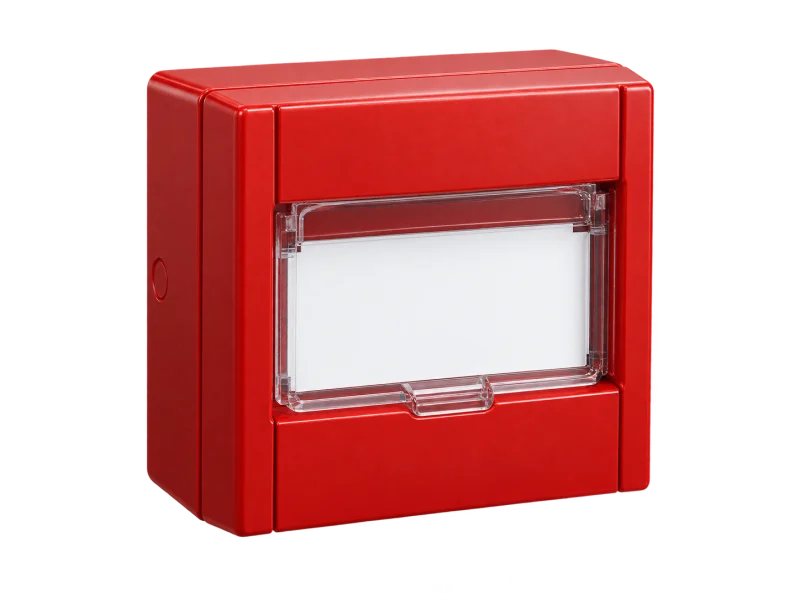
Call points
Manual call points
Lets anyone raise the alarm, placed along exit routes set by the designer.
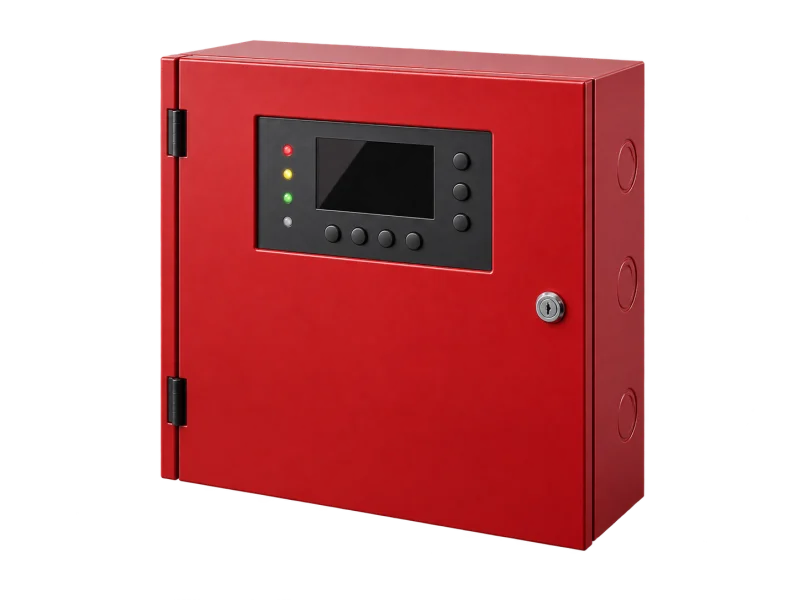
03
AI-generated concept
Control panel
Fire alarm control panel
Receives device signals, shows status and drives sounders and interfaces.
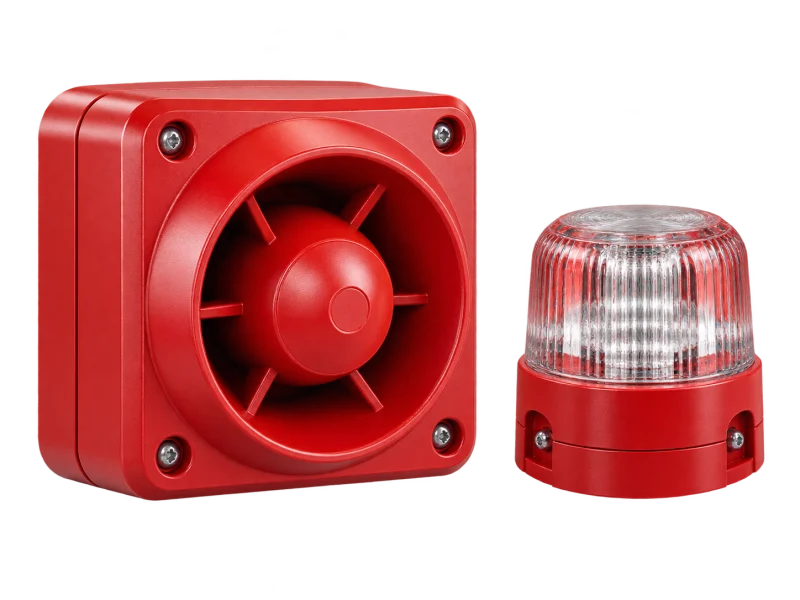
04
AI-generated concept
Notification
Sounders and strobes
Audible and visual alerts in every area that must hear or see them.
Hikvision’s HikFire range includes interlinked smoke alarms and wireless fire-alarm systems; exact model, compatibility and suitability must be confirmed.
Choose for the environment
How a space is used and its conditions determine the detector type.
AI-generated setting
Offices
Workspaces and corridors
Positions follow ceilings and partitions
AI-generated setting
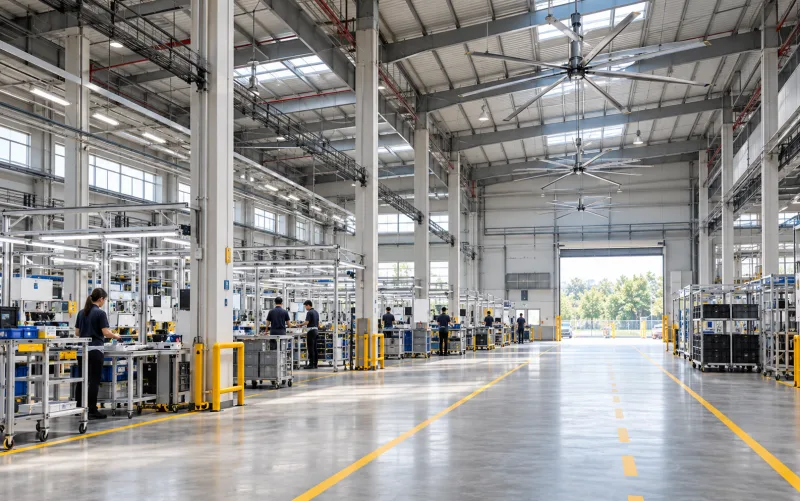
Factories and warehouses
High ceilings, dust and heat
Detector types suited to the conditions
AI-generated setting
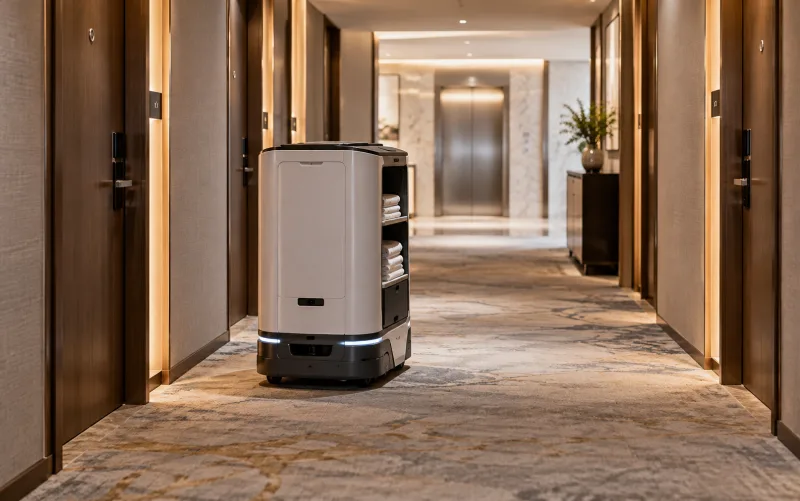
Hotels and residences
Rooms and shared areas
Alerts in rooms and escape routes
AI-generated setting
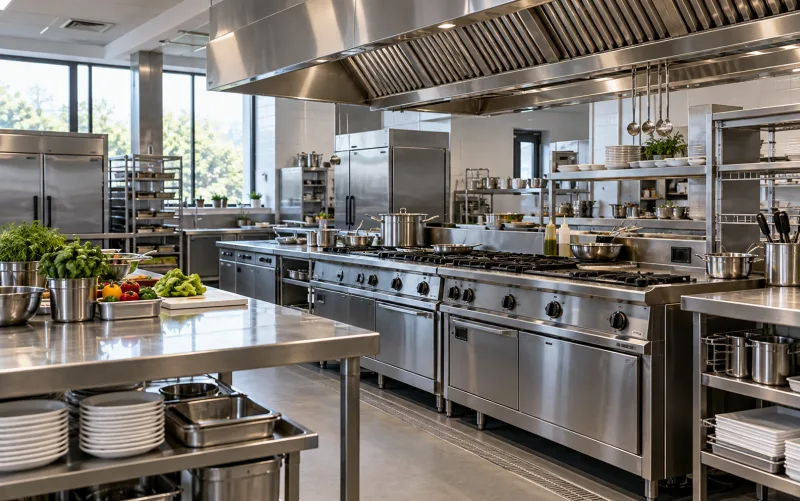
Kitchens and plant rooms
Normal heat and steam
Reduce false alarms with the right detector type
What keeps the system ready for a real event
AI-generated concept
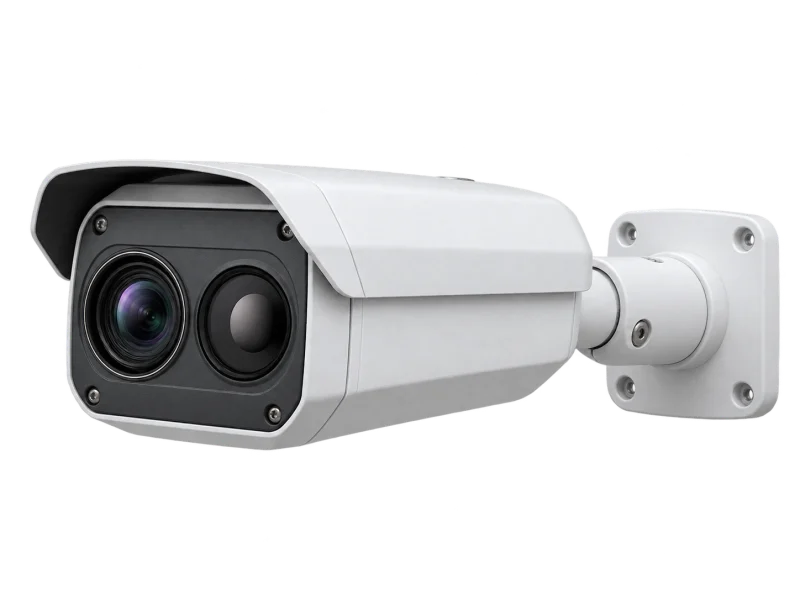
Thermal cameras as an add-on
Thermal cameras can add early warning but do not replace a required fire detection and alarm system.
Interfaces to other systems
Panel outputs can release doors, notify staff or stop fans and air handling, as the designer specifies.
Testing and maintenance
Scheduled device testing with records for the building team.
Equipment chosen for the building’s requirements
Fire alarm equipment is chosen for compatibility and requirements, not one brand for every building.
Hikvision HikFire
Best for
Sites on Hikvision that want fire-safety devices alongside their security system
Why choose it
Interlinked smoke alarms and wireless fire-alarm systems
Before choosing
Confirm model, panel compatibility and suitability for the building
Panels and devices to the design
Best for
Buildings with specific requirements or an existing system
Why choose it
Chosen for compatibility with the existing system and project requirements
Before choosing
A qualified designer reviews before models are finalised
DPI does not certify legal compliance; design sign-off rests with the designated qualified professionals.
Why buy your fire alarm system from DPI
One team from survey, design and supply to installation, testing and after-sales support.
01
Authorized distributor and certified partner
Equipment sourced through authorized channels, with model advice and the manufacturer’s warranty terms.
02
Designed from a site survey
Building use, layout and conditions are reviewed before choosing detector types.
03
The whole system, not just devices
Detectors, call points, panel, sounders and interfaces designed as one, ready for qualified review.
04
Honest brand advice
Equipment chosen for compatibility and the building’s requirements, not a single default brand.
05
Tested before handover
Device-by-device tests, interface checks and records for your maintenance team.
06
Ongoing support nationwide
A Pathum Thani team providing maintenance and technical support across Thailand.
Book a site surveyModels, terms and warranty are specified in each project quotation.
Detect, evaluate and notify
Detection and notification must belong to a reviewed, compatible system.
Office building · level 114:20:12
Monitoring around the clock
Conventional: devices are wired in zones; the panel reports the zone
DetectorsGrouped into zones
01
Control panelShows the zone in alarm
02
Sounders / strobesAlert occupants
03
Staff check the zoneLocate the device
04
Monitor
Detectors are wired in zone circuits; the panel watches each zone.
Scene and timing are illustrative, not an installation drawing. Design, installation and acceptance follow the applicable codes and the fire system designer’s specification.
AI-generated equipment concepts, not photographs of specified models.
Concept only, not a wiring diagram or compliance certification. Qualified professionals must review system compatibility and building requirements.
Before you specify
Provide floor plans, occupancy and environmental conditions such as dust, steam or heat that affect detector selection.
Confirm exact detector, panel and interface compatibility, together with backup-power and fault-monitoring requirements.
Agree notification methods, connections to other systems, and testing and maintenance responsibilities, with professional review before procurement.
Testing & handover
Agree alarm, fault and interface tests with qualified professionals. Include system drawings, device lists, test records, operating instructions and operator guidance in the agreed handover scope.
Equipment details, compatibility and scope must be confirmed for each project.
Do not assume they are interchangeable. Camera-based early warning and fire-alarm equipment have different intended uses. A qualified professional should assess the exact equipment and building requirements.
Can new detectors connect to an existing panel?
Check exact models, interfaces, manufacturer-supported compatibility and the existing system condition. A shared brand name alone does not establish compatibility.
From survey to support
The same six stages on every project, so the system is ready on handover day.

 AI-generated concept
 AI-generated setting
 AI-generated setting
 AI-generated setting
 AI-generated setting
 AI-generated concept
