Purchase a system
For a long-term plan with a defined workload. Separate equipment, deployment and support budgets to assess costs over the operating period.
Request a proposalFrom cleaning and serving to delivery and factory logistics. DPI designs systems around real operations, with purchase and rental options.
Choose a system to explore its role and site requirements. Each robot family serves a different task; we plan routes, handover points and support as one system.
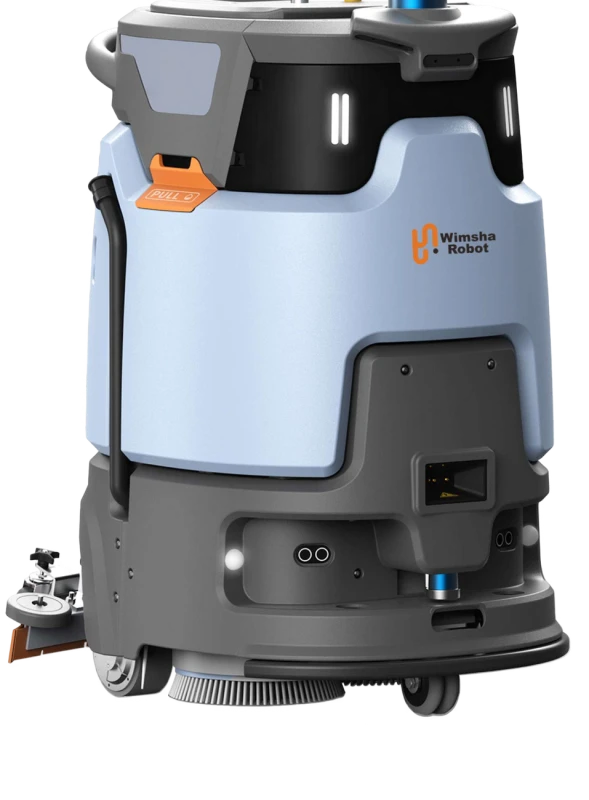
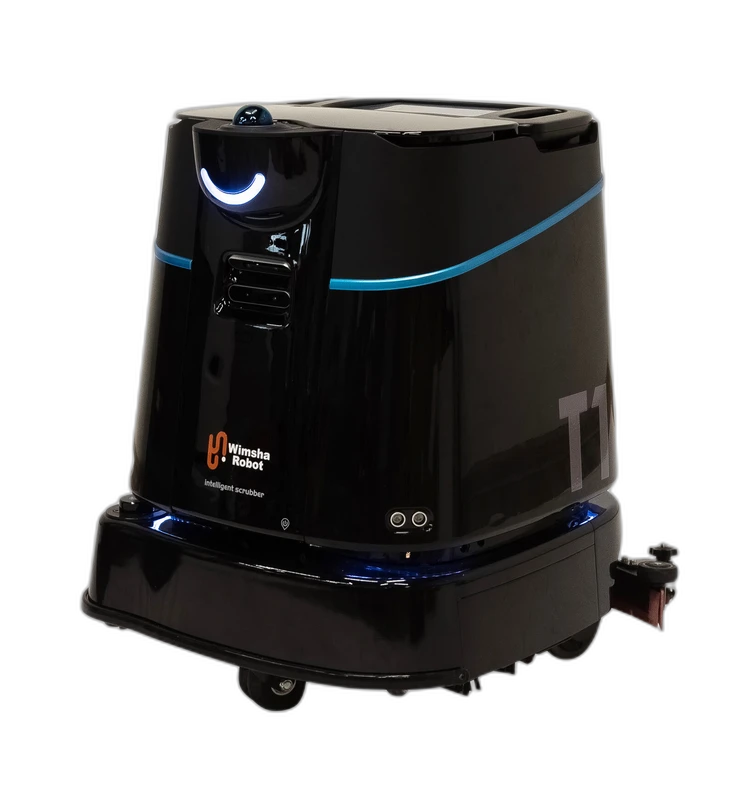
Plan cleaning around floor materials, work areas and operating windows, with charging and water-service stations for compatible models. Explore T1 and T3 Plus, installation and DPI’s design process.
Explore cleaning systems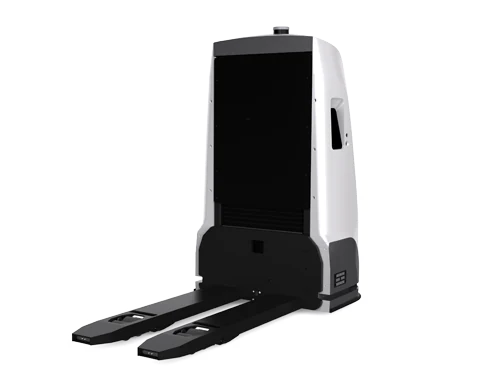
For repeated pallet transfers between receiving, storage and production. Start with pallet type, load and pickup/drop-off positions, then choose semi-automatic or automatic operation around the workflow.
Survey fork pockets, pallet dimensions, lift height, turning space, shared traffic and emergency stops. Validate the design with actual pallets.
Sun Robot references include UQI, JUNO and REEMAN. Select a model after the site survey.
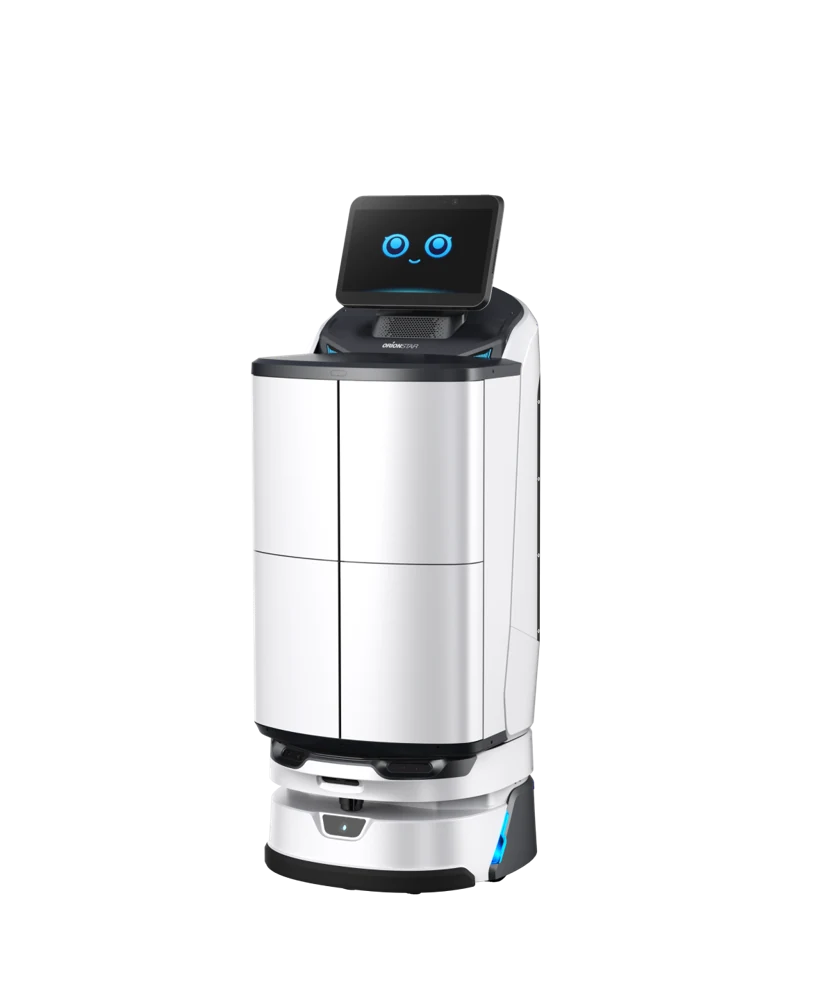
Plan indoor delivery rounds in hotels, offices and service spaces. Define loading points, destinations and handover responsibilities. The robot handles repeated travel while staff prepare and receive items.
Check item dimensions, passcode collection, corridors and access permissions. Door or elevator crossings require an integration assessment and trial before specification.
ORIONSTAR LuckiBot Pro Autodoor offers enclosed delivery and passcode access, an option to evaluate for controlled collection.
Support food delivery and dish transport so staff can spend more time with guests. Plan kitchen pickup, table-side stops and return routes around peak service periods.
Check clearance between chairs, tray stability, loading points and guest notifications. Trial real food and drinks, including busy pedestrian periods.
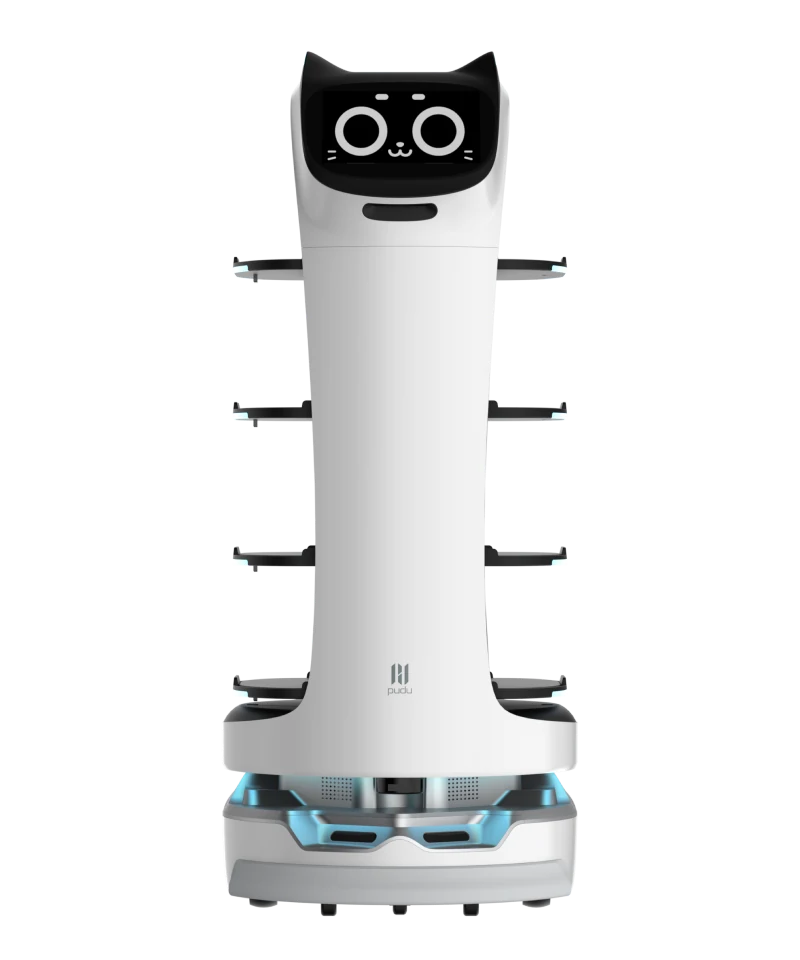
PUDU BellaBot focuses on serving and guest interaction; ORIONSTAR LuckiBot Pro is another delivery option. Choose around the restaurant layout and service style.
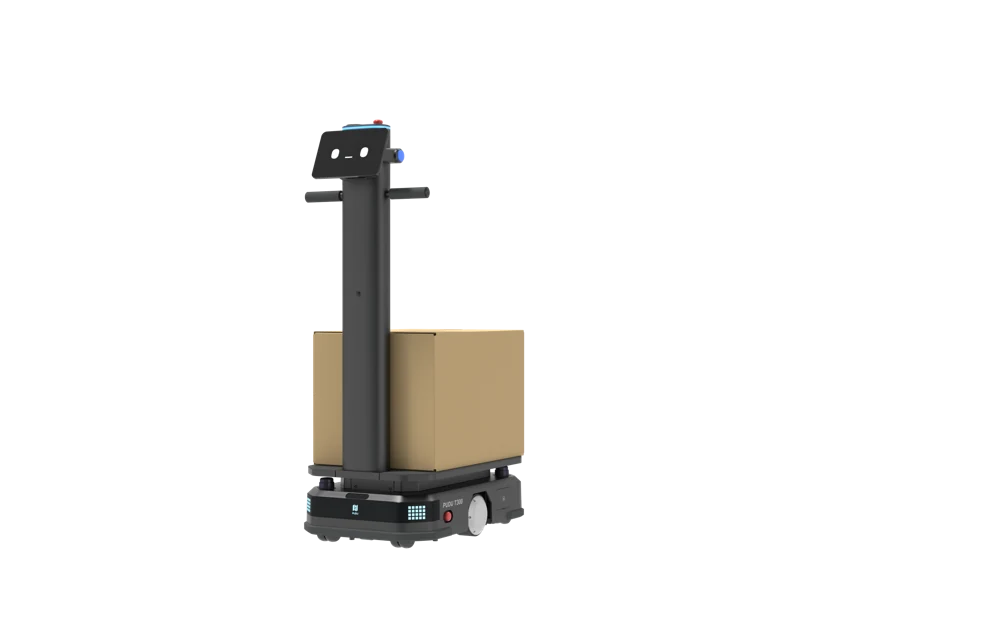
Autonomous mobile robots move materials between workstations, storage and production. Match the load attachment and handover points to the task, then coordinate jobs and routes across the fleet.
Assess load and centre of gravity, delivery cycles, charging space and network coverage. Define WMS, ERP or MES interfaces and the fallback workflow for interruptions.
Sun Robot references cover UQI AMRs and fleet coordination. PUDU T300 is an industrial transport example; ORIONSTAR CarryBot targets warehouse workflows.
DPI offers robot-system sales and rental, with design, installation and support planning. Start with a workflow assessment and pilot before selecting a proposal.
Suitable models, availability, pricing, rental terms and service scope are confirmed in each project proposal.
Compare a people-led workflow with a team supported by robots, and estimate simple payback. Adjust the inputs to your work scope and quotation.
Starting figures are an illustrative cleaning scenario, not selling prices, rental rates or guaranteed returns. Compare equivalent coverage, duty cycles and service quality.
Estimated simple payback
1.9 years
The point where cumulative costs meet. Beyond it, the difference is estimated cost savings.
| Year | People-led | Team + robot |
|---|---|---|
| 0 | 0 | 340,000 |
| 1 | 300,000 | 460,000 |
| 2 | 600,000 | 580,000 |
| 3 | 900,000 | 700,000 |
| 4 | 1,200,000 | 820,000 |
| 5 | 1,500,000 | 940,000 |
Monthly difference = current labor − (remaining labor + operation + rent when renting). Payback in years = deployment plus purchase, if applicable, ÷ monthly difference ÷ 12. Payback requires a positive monthly difference.
Count only genuinely avoidable labor spending. Redeploying staff does not automatically reduce payroll. These are cost savings, not accounting profit. Tax, financing, inflation, resale and the time value of money are excluded. Monthly costs are assumed constant over the selected period.
The same six stages on every project, so the system is ready on handover day.
Understand your goals and requirements
Assess the site and installation conditions
Plan the right solution for your operation
Install equipment and integrate systems
Verify performance and train your team
Maintain equipment and provide technical support
One team from survey, design and supply to installation, testing and after-sales support.
Equipment sourced through authorized channels, with model advice and the manufacturer’s warranty terms.
Routes, floor surfaces, doors, lifts and dock positions are surveyed before choosing models and fleet size.
Robots, charging docks, route maps and Wi-Fi coverage planned together.
Wimsha for cleaning, with PUDU or other families when they suit delivery and service tasks.
Routes, docking, obstacle behaviour and staff training checked before handover.
A Pathum Thani team providing maintenance and technical support across Thailand.
Technology references for planning. Final models and interfaces require site-specific confirmation. Images show reference equipment, not DPI installations.